





Blog
Seabuckthorn: Benefits, Nutrition, Uses, and Why This Unique Berry Is Worth Knowing


Table of Contents
Seabuckthorn is a nutrient-rich berry known for its distinctive golden-orange color and its use in food, wellness products, and natural skincare. Also written as sea buckthorn, this hardy plant (Hippophae rhamnoides) produces small berries containing vitamins, carotenoids, polyphenols, and fatty acids. These compounds have attracted interest from researchers and manufacturers working with functional foods and botanical ingredients.
Whether you are exploring sea buckthorn for its nutritional value, looking for natural skincare ingredients, or learning about plant-based wellness products, understanding its properties can help you make informed choices. In this guide, Skardu Naturals explores what sea buckthorn is, its potential benefits, common uses, and important considerations before choosing a product.
What Is Seabuckthorn?
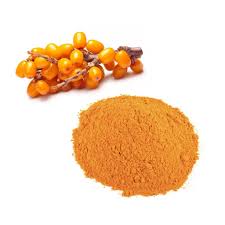
Sea buckthorn is a thorny shrub that grows in parts of Europe and Asia, including cold and mountainous regions. Its bright orange berries are used in juices, jams, oils, powders, and other products.
The plant is valued for its ability to grow in challenging environments and for the variety of bioactive compounds found in its berries, seeds, leaves, and oils. Different parts of the plant have different compositions, so sea buckthorn juice, berry powder, seed oil, and pulp oil should not be considered interchangeable.
Sea buckthorn is particularly interesting because it contains several classes of naturally occurring compounds, including vitamin C, carotenoids, flavonoids, and fatty acids. The exact nutritional profile depends on the plant variety, growing conditions, processing method, and product formulation.
Nutritional Properties of Seabuckthorn
One reason sea buckthorn has gained attention is its diverse nutritional composition. The berries and their derivatives contain several compounds that contribute to their potential value as food ingredients.
1. Vitamins and Micronutrients
Sea buckthorn berries can provide vitamin C and other micronutrients. Vitamin C contributes to normal collagen formation, helps protect cells from oxidative stress, and supports normal immune function. However, the actual vitamin content varies between products, and processing can affect nutrient retention.
Check the nutrition label of any juice, powder, or supplement rather than assuming that every sea buckthorn product provides the same amount of vitamins.
2. Antioxidant Compounds
Sea buckthorn contains compounds such as carotenoids, flavonoids, and other polyphenols. These substances are studied for their antioxidant activity, including their ability to interact with oxidative processes in laboratory settings.
The presence of antioxidants does not automatically mean that a particular product prevents disease or delivers a specific health outcome. Human research remains limited for many proposed benefits, and results depend on the preparation being studied.
3. Naturally Occurring Fatty Acids
Seabuckthorn oils are known for their fatty acid composition. Seed oil and pulp oil can have different profiles, including varying proportions of omega-3, omega-6, omega-7, and omega-9 fatty acids.
Omega-7, particularly palmitoleic acid, is one of the compounds associated with sea buckthorn pulp oil. Its presence and concentration depend on the oil’s source and extraction process.
4. Carotenoids and Plant Pigments
The golden-orange color of seabuckthorn berries comes partly from carotenoid pigments. These compounds are found in various colorful fruits and vegetables and contribute to the nutritional and functional characteristics of the berry.
For consumers, the important point is that seabuckthorn is a complex botanical ingredient rather than a single-nutrient product.
Potential Benefits of Seabuckthorn
Seabuckthorn is researched for several potential health and cosmetic applications. The evidence varies by product type, and preliminary findings should not be treated as proof of medical benefits.
1. Supports a Nutrient-Rich Diet
Sea buckthorn berries and suitable food products can contribute to dietary variety. Depending on their formulation, they may provide vitamin C, carotenoids, polyphenols, and other plant-derived compounds.
You can explore sea buckthorn as part of a balanced diet, but it should complement rather than replace a varied intake of fruits, vegetables, and other nutritious foods.
2. Interest in Skin Hydration and Skin Care
Sea buckthorn oil is used in some cosmetic formulations because of its fatty acids and other naturally occurring compounds. It may be included in moisturizers, facial oils, and body-care products designed to support the skin’s appearance and moisture barrier.
The results depend on the finished formulation, concentration, and individual skin type. Evidence for one specific oil or cosmetic product cannot automatically be applied to every product containing sea buckthorn.
Before applying a new oil to your face, perform a patch test and discontinue use if irritation develops.
3. Antioxidant Potential
Laboratory research has investigated the antioxidant activity of sea buckthorn compounds, including polyphenols, vitamin C, and carotenoids. These findings help explain why the plant is of interest to food scientists and cosmetic formulators.
However, laboratory antioxidant activity does not establish that consuming seabuckthorn will prevent or treat a particular disease. More high-quality human studies are needed to establish specific clinical effects.
4. Research Into Cardiometabolic Health
Researchers have studied seabuckthorn berries and their derivatives for possible effects on blood glucose, blood lipids, and blood pressure. Results have not established seabuckthorn as a reliable treatment for these conditions.
People managing diabetes, high cholesterol, or blood pressure should continue following their healthcare professional’s advice and should not replace prescribed treatment with sea buckthorn supplements.
5. Potential Uses in Functional Foods
Seabuckthorn is used in various food applications, including juices, fruit preparations, powders, and specialty food products. Its distinctive flavor and bright color can also make it useful in food formulation.
As with any ingredient, the nutritional value of the finished product depends on added sugar, serving size, processing, and the other ingredients used.
How Is Seabuckthorn Used?
Seabuckthorn is available in several forms. Choosing the right type depends on whether you want a food ingredient, a cosmetic product, or a concentrated supplement.
Seabuckthorn Berries and Juice
The berries have a tart, tangy flavor. They may be used in juices, sauces, jams, and fruit preparations. Commercial juice products can differ considerably in fruit concentration and added sugar, so check the ingredient list and nutrition information.
Seabuckthorn Powder
Berry powder can be added to selected food preparations, smoothies, or recipes. Its nutrient content depends on how it was produced, dried, and stored. Follow the product’s serving instructions and storage recommendations.
Seabuckthorn Oil
Seabuckthorn oil is used in both cosmetic and supplement products. Pulp oil and seed oil differ in composition, and products intended for topical use are not necessarily suitable for consumption.
Always verify whether an oil is labelled for external use or oral use before using it.
Sea buckthorn in Skincare
Some skincare products contain seabuckthorn oil as part of a blend of botanical oils and moisturizing ingredients. If you are choosing a product for your skin, review the full ingredient list and follow the manufacturer’s directions.
A product’s suitability depends on its complete formulation, not just the presence of seabuckthorn.
How to Choose a Quality Seabuckthorn Product
When comparing seabuckthorn products, look beyond marketing claims. These practical checks can help you make a better-informed purchase.
- Check the ingredients: Look for a clear ingredient list and avoid products with unclear or undisclosed formulations.
- Identify the product type: Confirm whether you are buying berries, juice, powder, seed oil, pulp oil, or a finished skincare product.
- Review the label: Check serving size, directions, storage instructions, and any added sugar or other ingredients.
- Look for quality information: Prefer manufacturers that provide clear sourcing details, batch information, and appropriate quality or testing documentation.
- Avoid exaggerated claims: Be cautious of products advertised as cures for diabetes, heart disease, or other medical conditions.
- Buy from a transparent seller: Check the seller’s product information, return policy, and customer support details.
At Skardu Naturals, consumers should be able to review the actual product specifications before deciding whether a particular seabuckthorn product meets their needs. Confirm availability and formulation on the relevant product page before purchasing.
Is Seabuckthorn Safe for Everyone?
Food products containing seabuckthorn may be suitable for many people when consumed as directed, but concentrated oils and supplements require more careful consideration. Safety depends on the preparation, dose, individual circumstances, and other medicines being taken.
People who are pregnant or breastfeeding, have a medical condition, or take regular medication should consult a qualified healthcare professional before starting a concentrated seabuckthorn supplement. People taking medicines that affect blood clotting should be particularly cautious because potential interactions require further clarification.
If you have a known allergy to an ingredient in a seabuckthorn product, avoid it. For topical products, follow the label and test a small area of skin first.
Seabuckthorn should not be used as a substitute for prescribed medicines or professional medical care.
Why Consider Seabuckthorn From Skardu Naturals?
Choosing a botanical product should begin with transparency. Before purchasing a seabuckthorn item from Skardu Naturals, review the product page for its ingredients, form, quantity, intended use, and care instructions.
If the product is an oil, confirm whether it is designed for skincare or consumption. If it is a food product or supplement, review its nutritional information and serving directions.
Explore the relevant Skardu Naturals product collection to find available products that match your requirements. Choose based on the product’s documented specifications rather than assuming that every seabuckthorn formulation offers the same benefits.
Conclusion
Seabuckthorn is a distinctive botanical ingredient with applications in food, functional products, and natural skincare. Its berries and oils contain a variety of compounds, including carotenoids, polyphenols, vitamins, and fatty acids, making it an interesting subject for nutrition and cosmetic research.
Although preliminary research suggests several areas of potential, the strength of evidence differs between applications. Seabuckthorn should not be presented as a proven treatment for medical conditions, and the effects of one preparation should not be generalized to every product.
If you are considering sea buckthorn for your daily routine, begin by identifying the right product type, checking the ingredient list, and following the manufacturer’s instructions. Skardu Naturals can help consumers explore botanical products by providing clear product information and transparent specifications.
FAQ’s About
What is seabuckthorn?
Sea buckthorn is a shrub that produces orange berries containing various nutrients and bioactive compounds. Its berries and oils are used in food products, supplements, and skincare formulations.
What are the main benefits of sea buckthorn?
Seabuckthorn provides a range of naturally occurring compounds, including vitamin C, carotenoids, polyphenols, and fatty acids. Research is investigating its nutritional and cosmetic applications, but many proposed health benefits still require stronger human evidence.
Is sea buckthorn good for skin?
Seabuckthorn oil is used in some cosmetic products because of its fatty acid composition and other plant compounds. Its suitability and performance depend on the finished formulation and the user’s skin type.
What is the difference between sea buckthorn seed oil and pulp oil?
Seed oil and pulp oil come from different parts of the berry and have different fatty acid profiles. Check the product label to determine which type you are buying and how it is intended to be used.
